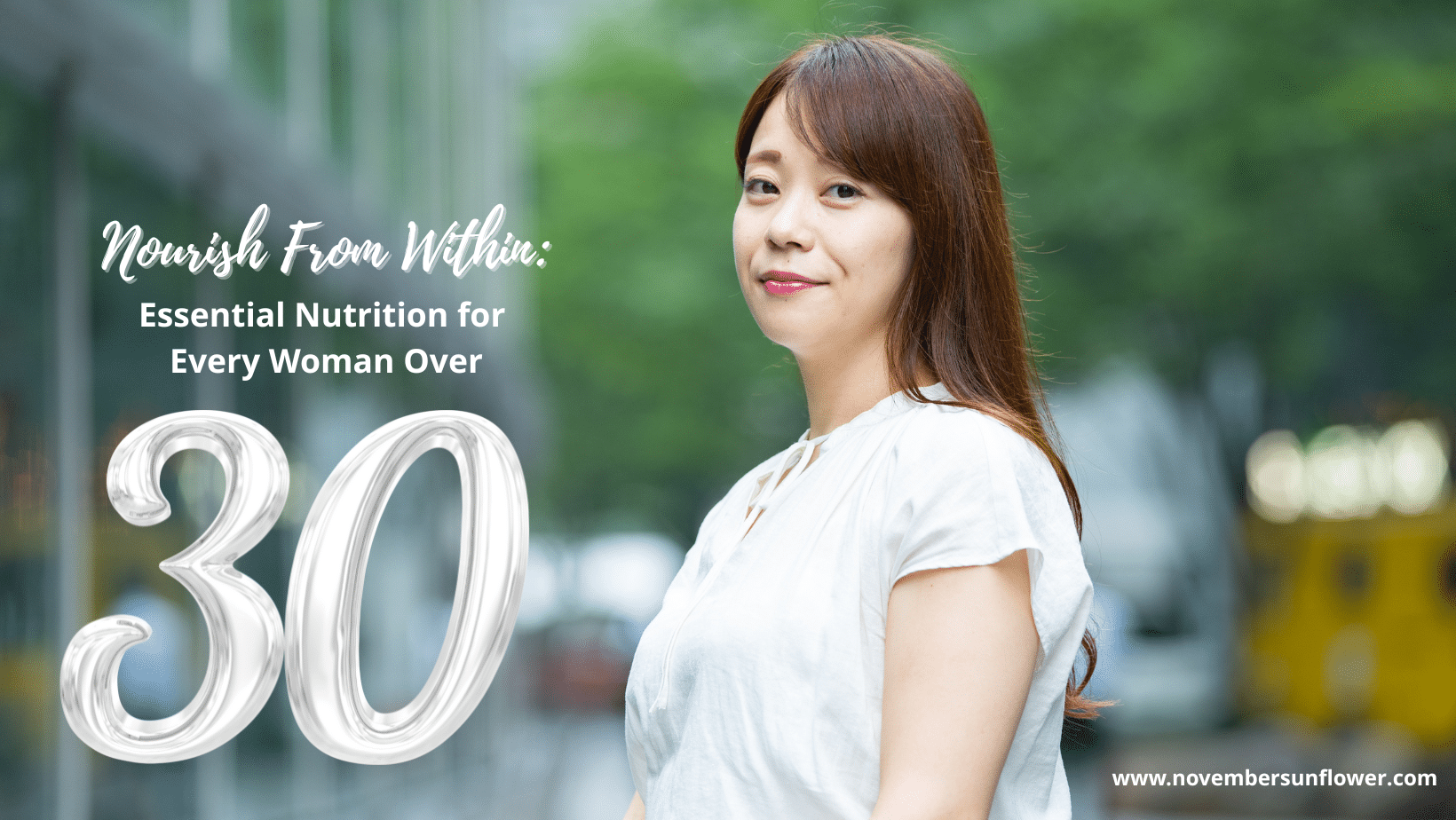
Maintaining your fitness after 30 can be a tall task. Both your muscle mass and aerobic capacity will begin to decline, making it significantly more challenging to maintain a consistent fitness routine than it was in your younger years.
However, getting fit after 30 is not impossible. As long as you understand how to get yourself into great shape and, maybe more importantly, how to stay fit in your 30s, you can see the results you’re looking for in no time.
Fitness After 30 Years of Age
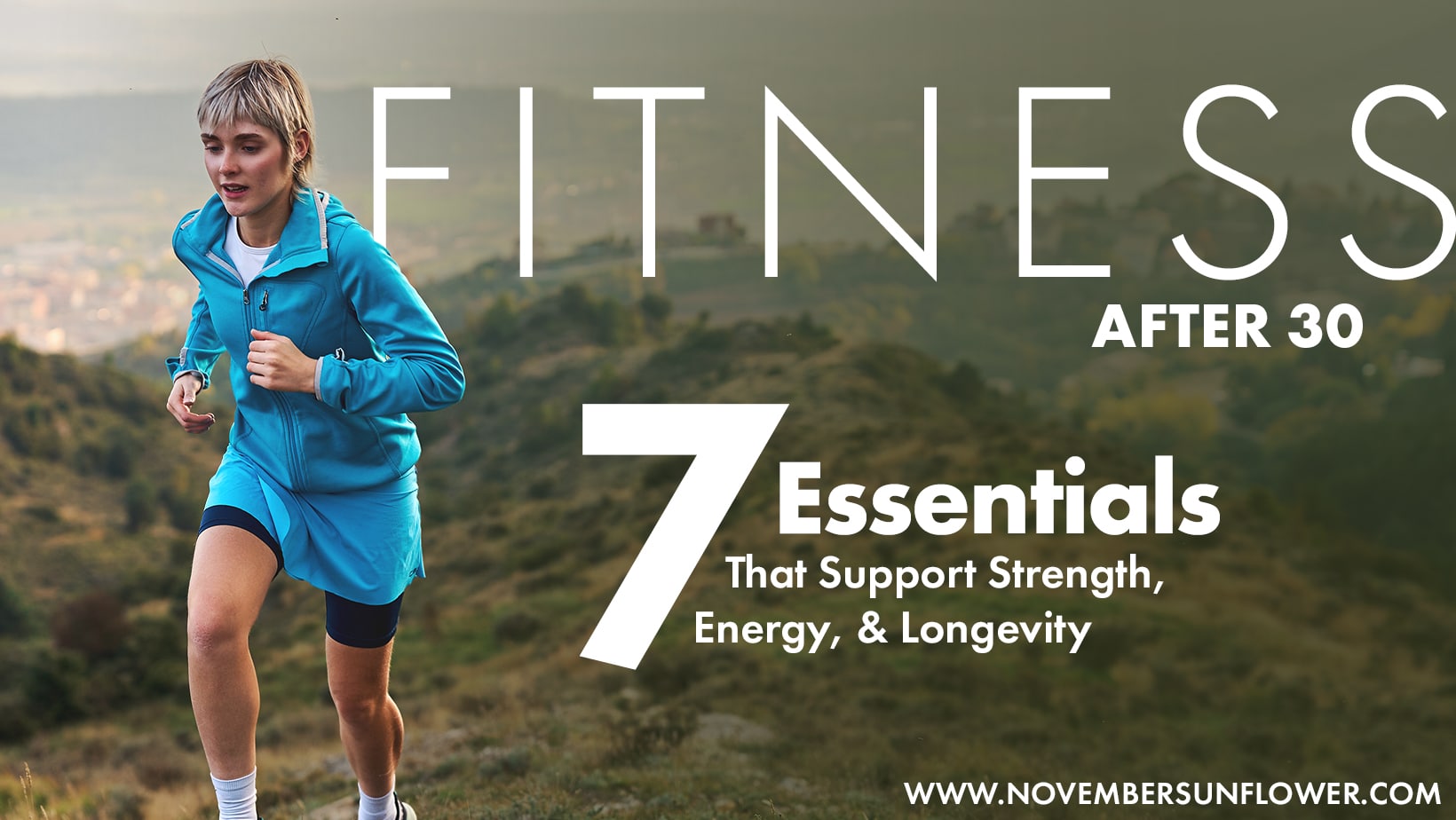
Here are seven essentials that will support your strength, energy, and longevity once you turn 30 and help you prove that you aren’t quite “over the hill” yet.
Taking Advantage of Strength Training
The average person loses between 3% and 8% of their muscle mass during their 30s. Unfortunately, there is no way to completely avoid muscle mass loss, but you can minimize it by utilizing strength training to your advantage.
Lifting weights or even doing something as simple as push-ups and squats without any additional weight can bring these losses to a crawl. Strength training enables you to maintain your muscle mass, enhance your bone density, and even combat age-related diseases that might otherwise impact your health.
Getting Enough Cardiovascular Exercise
People experience more than just a dramatic loss of muscle mass when it comes to their fitness after 30. They also deal with a decrease in their aerobic capacity of up to 15% during this same period.
To combat this problem, focus on participating in as many forms of cardiovascular exercise as possible. Walking, running, biking, swimming, and playing sports are just a few ways in which you can improve your cardiovascular health. They can help make your heart healthier while also boosting your energy and stamina levels.
Putting Extra Emphasis on Balance & Flexibility
Getting fit after 30 is about so much more than just looking and feeling your best. It’s also about steering clear of the injuries that can sometimes accompany aging and the gradual approach to middle age.
As part of your push to improve your fitness after 30, remember the importance of maintaining good balance and flexibility. Doing this can prevent you from sustaining falls that can leave you injured and suffering from mobility issues. Participating in Pilates and yoga are two effective ways to prioritize balance and flexibility while simultaneously strengthening muscles and becoming more aware of your body’s limitations.
Leaning In to Nutrition & Clean Eating
You may have been able to get away with eating just about anything you wanted throughout your younger years, but cleaning up your diet is a key part of maintaining your fitness after 30. If you routinely chow down on processed foods, you will likely struggle to figure out how to stay fit in your 30s, no matter how hard you might work at it.
Create a well-balanced diet with fitness food that includes a mix of lean proteins and complex carbohydrates, along with low dosages of healthy fats. There’s nothing wrong with having sugary sweets every so often as a treat, but you should scale back on them overall to get the best results.
By adopting a healthier diet, you can supply your body with the energy it needs to work out. You can also provide it with the essential amino acids necessary for muscle repair and growth.
Incorporating the Right Supplementation
Even with a healthy diet, you may have a difficult time providing your body with some of the essential nutrients it needs to support your fitness after 30. To address this issue, consider incorporating the right supplements into your diet.
High-quality longevity products are a fantastic place to start. They can work wonders for everything from your blood pressure and heart health to your energy production and cellular health.
Just be sure to consult with your doctor before adding supplements to your daily routine to ensure they don’t interact negatively with any medications you take.
Making Rest, Recovery & Sleep a Priority
Generally speaking, most Americans don’t get nearly enough sleep. Conservative estimates suggest that over one-third of people get under 7 hours of sleep nightly on average. Not surprisingly, many people in their 30s fall into this category, as a lot of them are parents of young children and/or individuals making serious strides in their careers who can’t always find enough time to sleep 8 hours consistently.
It’s easy to make excuses as to why you can’t get enough sleep at night, but they can’t cover up the fact that a lack of sleep will take a toll on your fitness after 30. Not getting enough rest may limit your body’s ability to recover following workouts and ultimately prevent exercise from having the positive impact it should.
Remaining Consistent Throughout Your 30s
Your 30s will consist of over 3,650 days. While you don’t necessarily need to exercise, eat healthy, and get enough sleep every single day to maintain your fitness after 30, consistency will be one of the leading keys to building up strength, increasing energy, and enjoying longevity, both in your 30s and beyond.
Search for the exercise routines and dietary habits that work best with your specific lifestyle and stick to them in the coming years. This is how to stay fit in your 30s, as well as your 40s, 50s, and 60s.
The Time to Start Is Now
Getting fit after 30 can be daunting for even the most health-conscious people. If you don’t take the right approach, you might find yourself feeling frustrated more often than not, especially if you are not getting the anticipated results.
Keep the seven tips mentioned here in mind as you make a concerted effort to improve your fitness after 30. They should guide you down the proper path as you seek to make the most of this decade from a health perspective.
Learn more about getting fit by checking out our other health and wellness articles.
About the Writer: Aaron Smith is an LA-based content strategist and consultant in support of STEM firms and medical practices. He covers industry developments and helps companies connect with clients. In his free time, Aaron enjoys reading and writing about adventure, fitness, and lifestyle.
About the Editor: Staci is the New Yorker who launched NovemberSunflower.com in March of 2009. In the beginning this digital publication had just one writer. Over the years, Staci opened her platform to guest writers, and she then not only wrote for NovemberSunflower.com, but also stepped into the editor role, making her the Editor-in-Chief. Learn more about Staci.

Want great content delivered right to your email inbox?
Sign up for November Sunflower’s monthly newsletter (you get some free goodies when you sign up).